
Italy is one of those countries that feels like a storybook — every corner has history, every street has a secret, and every meal is a memory. After traveling across Italy multiple times, I’ve learned that the best trips are the ones that blend planning with spontaneity. Whether you’re dreaming of the Amalfi Coast, a foodie adventure in Bologna, or a cultural deep dive in Rome, this Italy travel guide will help you plan a trip that fits your style and budget.
Content
Why This Italy Travel Guide Is Helpful
If you’re reading this, you probably want more than just a list of cities. You want a plan that helps you travel smarter, not harder. In this Italy travel guide, you’ll find:
- Real travel tips
- Budget-friendly ideas
- Best time to visit
- Transportation options
- Top things to do in each region
And most importantly, you’ll get practical advice based on real experiences.
When to Go to Italy? (Best Seasons Explained)

Choosing the right time to travel to Italy can make or break your trip. Here’s a simple breakdown in this Italy travel guide:
Spring (March–May)
Spring is one of the best times to visit. The weather is pleasant, the crowds are smaller, and the landscapes are blooming. This is perfect for exploring cities and countryside.
Summer (June–August)
Summer is the most popular time, especially for beach lovers. The weather is warm, but prices can be higher and popular spots can be crowded. If you plan to visit Italy in summer, book everything early.
Autumn (September–November)
Autumn is my personal favorite. The weather is still warm, but the crowds are thinner. You’ll also find great food festivals and harvest events.
Winter (December–February)
Winter is ideal if you want a quieter experience. You can enjoy winter markets, skiing in the Alps, and cheaper flights and hotels.
Where to Stay in Italy (Best Areas for First-Time Visitors)
Italy has so many beautiful places to stay that choosing the right one can be confusing. Here are the best areas based on what you want:
Rome
Best for history lovers and first-time visitors.
Tip: Stay near Termini station for easy transportation access.
Florence
Best for art and architecture.
Tip: Choose a hotel near the city center to walk to all major sites.
Venice
Best for romantic trips and unique experiences.
Tip: Stay in Cannaregio for a more local feel and better prices.
Amalfi Coast
Best for beach lovers and luxury travelers.
Tip: Book early — hotels sell out fast during peak season.
How to Get Around Italy (Simple and Practical Tips)
Italy’s transportation is reliable, but choosing the right mode of travel depends on your itinerary.
Train
The train system is one of the easiest ways to travel between major cities. It’s fast, convenient, and often cheaper than flying.
Car
Renting a car is perfect if you want to explore countryside regions like Tuscany or the Amalfi Coast. However, driving in big cities can be stressful due to traffic and limited parking.
Bus
Buses are good for smaller towns and rural areas. They are usually cheaper but slower.
Italy Travel Tips (Practical Advice You’ll Thank Me For)
Here are the best tips that I learned the hard way:
1. Book Major Attractions in Advance
Italy’s popular sites like the Colosseum, Vatican Museums, and Uffizi Gallery sell out quickly.
2. Avoid Tourist Traps
Some restaurants near major attractions are overpriced. Walk a few blocks away for better food and prices.
3. Carry Cash
Small shops and cafes sometimes prefer cash, especially in rural areas.
4. Dress Smart
Many churches require modest clothing. Keep a scarf or light cover-up handy.
5. Try Local Food
Italy is a food paradise. Don’t miss local specialties like:
- Pizza in Naples
- Pasta in Bologna
- Gelato in Florence
- Seafood in Sicily
What to Do in Italy (Top Places and Activities)
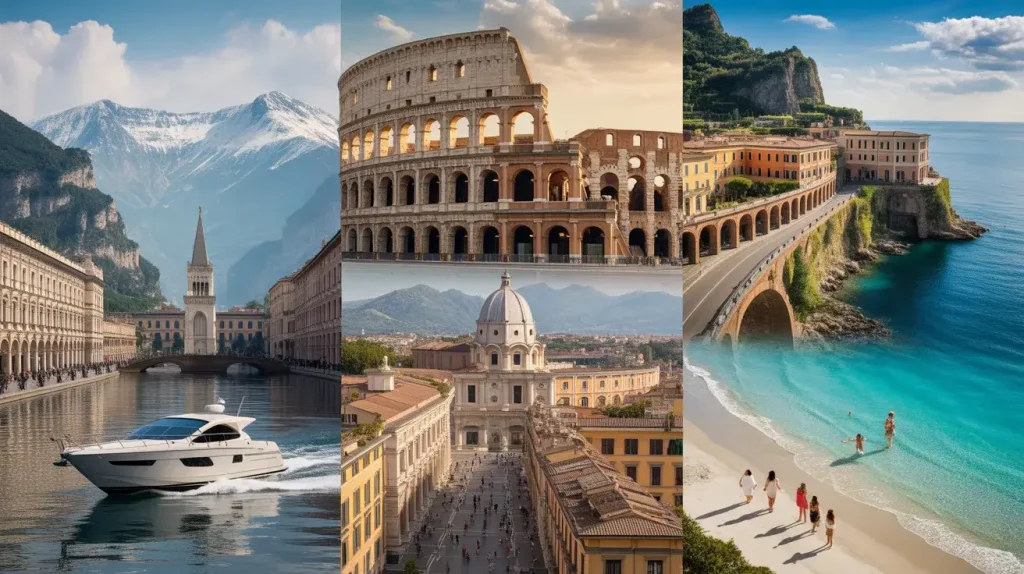
Italy has endless things to do. Here are some highlights based on regions:
Northern Italy
- Lake Como boat tours
- Milan shopping
- Dolomites hiking
Central Italy
- Rome historical sites
- Florence art museums
- Tuscany wine tours
Southern Italy
- Amalfi Coast road trip
- Sicily beaches and culture
- Naples street food
Real-Life Case Study: Our 10-Day Italy Trip
Let me share a real example from one of our family trips to Italy:
Our Trip Plan
We wanted to explore Italy without rushing, so we planned a 10-day itinerary:
- Day 1–3: Rome (history and food)
- Day 4–6: Florence & Tuscany (art and countryside)
- Day 7–10: Amalfi Coast (beach and relaxation)
What Worked
We avoided rushing and focused on one region at a time. We booked major attractions in advance, which saved us hours of waiting.
What We Learned
The best part was the food and local culture. We found a small family-run restaurant in Florence where the chef personally greeted us. That moment made the trip feel real and memorable.
Conclusion:
Italy is more than a destination—it’s a collection of unforgettable moments. Whether you want a cultural adventure, a relaxing beach vacation, or a romantic escape, Italy offers everything, even inspiring ideas for travelers who enjoy planning trips that feel effortless, like destinations where you can travel without a passport.
With this Italy travel guide, you now have a clear plan, real travel tips, and a flexible itinerary that fits your style. Start planning today, and get ready for the trip of a lifetime.
FAQ’s:
What is the best travel guide for Italy?
A reliable Italy travel guide should include top cities, itineraries, budget tips, and must-see attractions for first-time visitors.
What do I need to know when travelling to Italy?
Know the basics: transportation, local etiquette, safety tips, and the best time to visit for your travel style.
What do I need to prepare for a trip to Italy?
Prepare documents, travel insurance, local currency, comfortable shoes, and a flexible itinerary.
What are the do’s and don’ts in Italy?
Do respect local customs, dress modestly in churches, tip politely, and avoid tourist traps near major attractions.