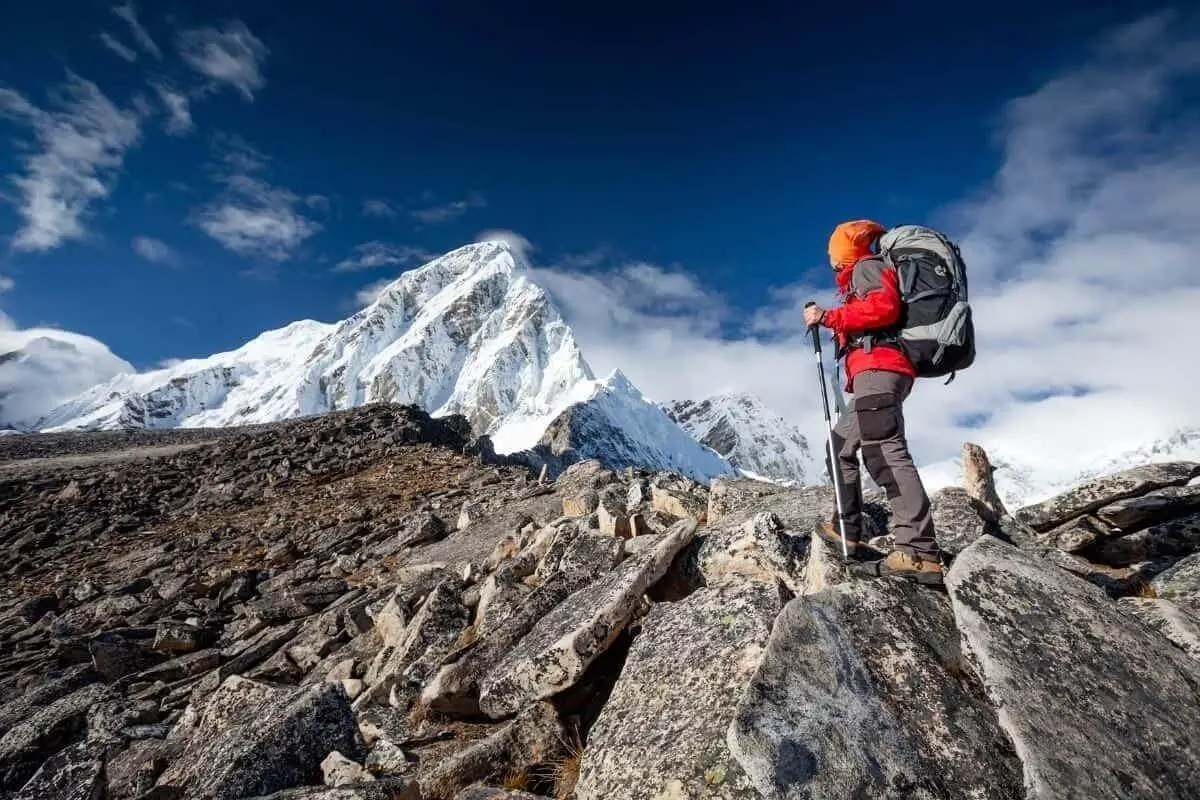
Mount Rainier National Park is a paradise for hikers of all skill levels. With its towering glaciers, wildflower meadows, and breathtaking alpine lakes, there’s no shortage of trails to explore. Whether you’re a first-time visitor or an experienced trekker, Mount Rainier hikes offer unforgettable scenery, physical challenge, and opportunities to connect with nature.
Having hiked many of the park’s trails myself, I’ve learned that planning ahead and understanding each trail’s unique highlights can turn a good day hike into an extraordinary adventure. This guide will walk you through the best trails, seasonal tips, and insider advice for your next trip.
Content
Why Choose Mount Rainier Hikes?
Mount Rainier stands as the tallest peak in Washington State, creating a dramatic backdrop for outdoor adventures. The park isn’t just about elevation—it offers a variety of Mount Rainier hikes, ranging from easy riverside walks to challenging alpine climbs.
Key reasons to hike here:
- Diverse trail difficulty for all skill levels
- Stunning vistas of glaciers and snow-capped peaks
- Vibrant wildflower meadows in summer
- Opportunities for wildlife spotting, including deer, marmots, and birds
Pro Tip: Early mornings are the best for wildlife and photography, as the light is soft and crowds are minimal.
Best Hikes in Mount Rainier National Park
1. Skyline Trail Loop (Paradise Area)
A classic trail for both beginners and seasoned hikers. The Skyline Trail offers:
- Panoramic views of Mount Rainier and surrounding valleys
- Wildflower meadows in summer
- A moderate 5.5-mile loop suitable for day hikes
Visitor Tip: Take a side detour to Myrtle Falls for a picture-perfect waterfall shot.
2. Naches Peak Loop (Sunrise Area)
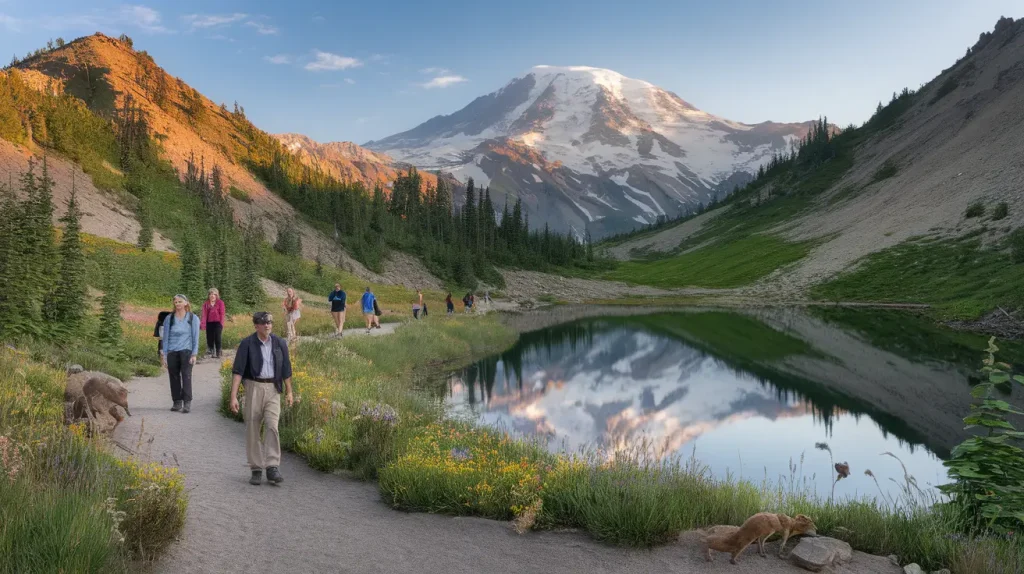
Perfect for families and casual hikers, this trail features:
- An easy 3.5-mile loop
- Beautiful alpine lake views
- Opportunities to spot marmots and bir
3. Emmons Moraine Trail
Ideal for adventurers looking for less crowded trails. Highlights include:
- Views of the Emmons Glacier
- Challenging elevation gain for intermediate hikers
- Peaceful, less-traveled paths
Pro Tip: Bring trekking poles for stability on uneven terrain.
4. Best Hike During Wildflower Season
- Paradise Area’s Highline Trail showcases vibrant blooms from July to August
- Photo-friendly viewpoints along the trail
- Moderate 7-mile hike perfect for mid-level hikers
5. Alpine Lakes and Photography Trails
- Hikes like Spray Park Loop offer incredible alpine lake reflections
- Long-tail keyword integration: “Mount Rainier hikes with views of glaciers”
- Ideal for photographers and nature enthusiasts
Seasonal Tips for Mount Rainier Hikes
- Spring: Snowmelt may limit access to higher trails; lower trails are ideal
- Summer: Peak season with clear trails and vibrant wildflowers
- Fall: Fewer crowds, colorful foliage, crisp air
- Winter: Only select trails are accessible; snowshoeing or guided hikes recommended
Packing Tip: Always carry layered clothing, water, sunscreen, and a trail map.
Real-Life Case Study: A Family Weekend on Mount Rainier
Last summer, I accompanied a family from Seattle for a two-day hiking trip. Their itinerary:
Day 1:
- Morning: Skyline Trail Loop (Paradise Area)
- Afternoon: Picnic by Myrtle Falls and short wildflower walk
Day 2:
- Sunrise Area: Naches Peak Loop with lake views
- Late afternoon: Photography session along Spray Park Loop
The family noted the perfect balance of moderate activity, breathtaking scenery, and manageable distances. This demonstrates that Mount Rainier hiking trails can accommodate beginners, families, and seasoned hikers alike, making it an ideal weekend getaway.
Practical Tips for Your Mount Rainier Adventure
- Start early to avoid crowds and enjoy wildlife sightings
- Check the National Park Service website for road closures or trail updates
- Pack snacks, plenty of water, and a camera for the scenic views
- Consider guided tours if unfamiliar with alpine navigation
- Follow Leave No Trace principles to protect the environment
Where to Stay Near Mount Rainier National Park
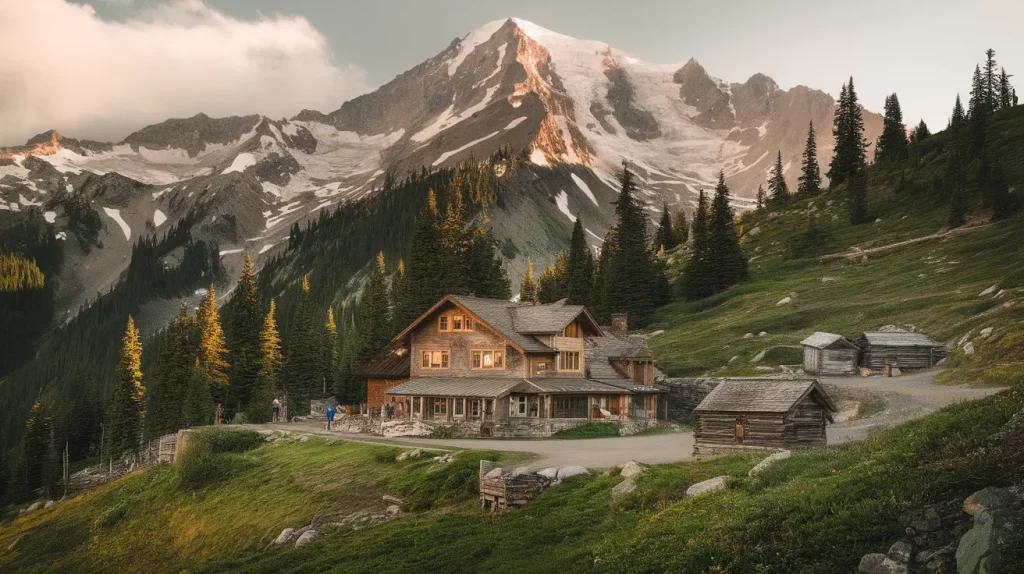
- Paradise Inn: Historic lodge within the park, close to Paradise Area hikes
- National Park Cabins: Cozy options for families seeking convenience
- Nearby Towns: Ashford and Packwood offer budget-friendly lodging and dining options
Other Things to Do Beyond Hiking
- Scenic drives like the Sunrise Road
- Wildlife photography and bird-watching
- Winter sports including snowshoeing and cross-country skiing
- Visit nearby Mount Rainier viewpoints for panoramic photography
Conclusion
Mount Rainier hikes offer more than just trails—they provide an immersive experience in nature, history, and breathtaking landscapes. Whether you’re hiking in the summer on scenic family-friendly paths or tackling challenging alpine adventures, planning your hikes carefully and exploring seasonal highlights ensures a safe, enjoyable, and unforgettable journey. From gentle loops to demanding routes with glacier views, Mount Rainier truly offers something for everyone.
FAQ’s:
What is the most popular hike in Mount Rainier?
The Skyline Trail Loop in Paradise is the most popular Mount Rainier hike, known for panoramic views and wildflowers.
Can a beginner climb Mount Rainier?
Beginners can enjoy lower-elevation Mount Rainier hikes, but summiting requires experience, gear, and a guide.
Which is better, Paradise or Sunrise?
Both areas offer stunning trails; Paradise has wildflowers, Sunrise offers alpine lake and glacier views.
Can you hike around Mount Rainier?
Yes, trails like Wonderland Trail circle the park, providing multi-day adventures for experienced hikers.

Calvin Yang is a friendly, outgoing person. He loves to explore the world and help people learn about it too! He recently went on a trip to Europe where he visited many different countries and cultures. One of his favorite places was Istanbul because it has so much history.